Pets at Home Expands into Insurance to Stabilize Declining Profit Margins
According to AD HOC NEWS, Pets at Home Group PLC launched a proprietary pet insurance service on 19 August 2026, adding a fee-based revenue stream to its retail and veterinary ecosystem.
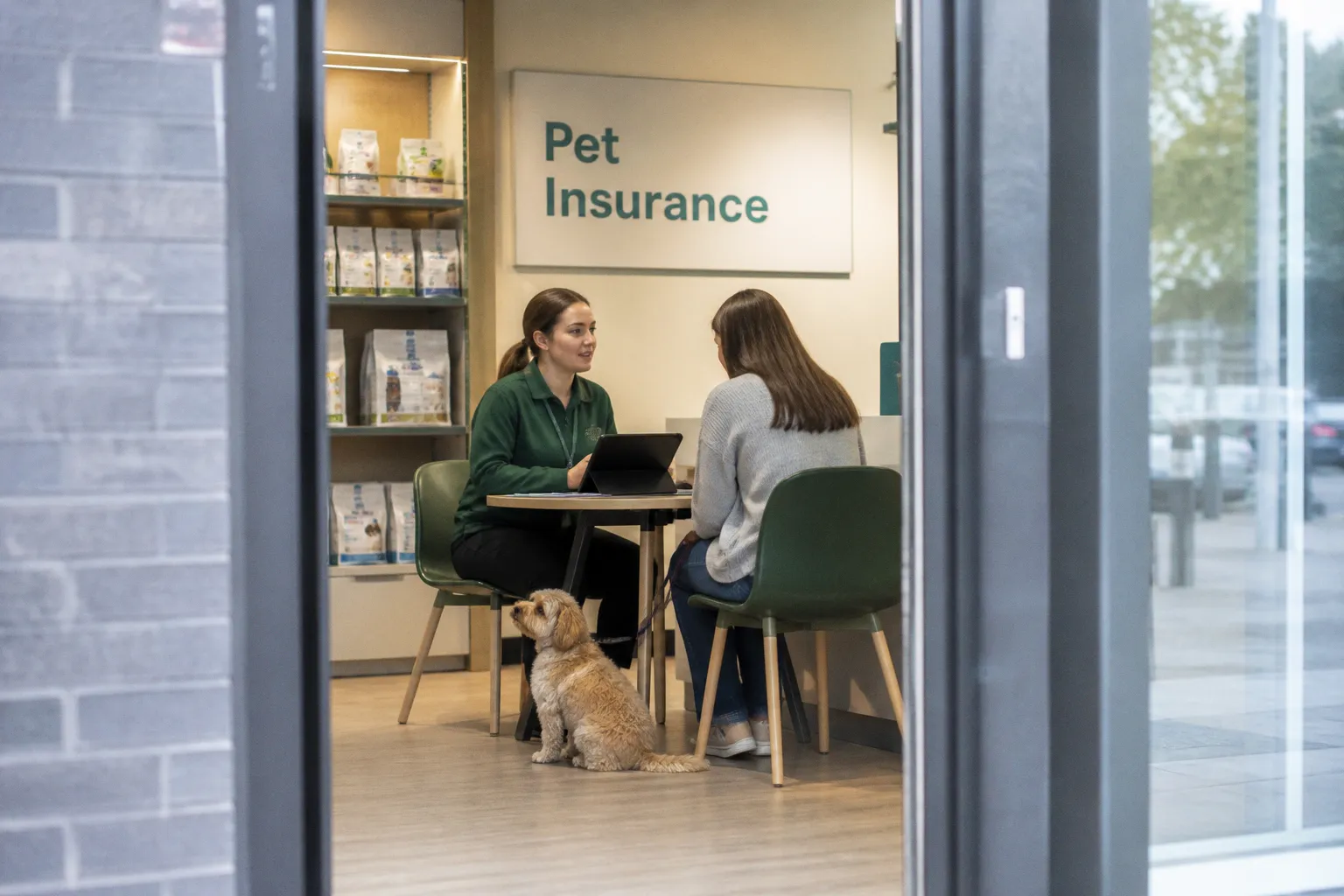
Margin Pressure Drives Vertical Integration at Pets at Home
The timing follows FY2026 results that delivered 1% consumer revenue growth — lifting total revenue to GBP 2 billion — while underlying pre-tax profit fell 33% to GBP 93 million. The divergence between flat top-line and sharp profit compression is the operational signal worth tracking.
Fee-based insurance income is structurally less exposed to discretionary retail volatility than product sales. That is the calculus driving the launch: convert footfall into recurring policy revenue rather than relying on basket size in physical stores. Market snapshots show the stock at a reference level of 212.80 GBX, up 7.20% year-to-date, with a 0.66% gain over the prior five trading sessions — firm, not euphoric. Investors are pricing in modest upside, not a re-rating.
Service Bundling and the Professional Care Market
Pets at Home already operates grooming, veterinary, and retail channels. Insurance completes a vertical stack: product purchase, clinical care, grooming, and now policy underwriting, all under one brand. For independent professional dog walkers and pet sitters, this changes the competitive geometry.
Two scenarios follow:
- Bundled substitution. A client who buys food, vet visits, grooming, and insurance in one transaction may be steered toward in-store or partner-network pet care add-ons rather than hiring an independent walker.
- Liability adjacency. A new insurance product creates a fresh layer of policy terms. Professional walkers and sitters should expect clients to ask whether their sitter's activities are covered under the household's Pets at Home policy — and whether those policies assume third-party handling at all.
Neither outcome is confirmed in the source material. But the structural direction — services layered onto a retail base — is established.
Coverage Verification Protocol
When a client cites a new policy as reason to reduce or skip professional liability expectations, run this checklist before adjusting any operational terms.
- Policy scope. Confirm whether the policy covers third-party handlers (walkers, sitters) or only the named owner. Pets at Home's own product terms are not detailed in available reporting, so treat any assumption as unverified.
- Activity exclusions. Gait-stressing activity, off-lead exercise, and group walking carry higher incident rates. Standard retail-branded policies frequently exclude these unless explicitly endorsed.
- Subrogation risk. If a pet is injured while in professional care, check whether the policy allows the insurer to pursue the sitter or walker for recovery. This is a load-bearing clause for any independent operator.
- Documentation alignment. Ensure your service contract's insurance requirements (minimum cover, named-peril wording) do not silently conflict with what the client's policy actually delivers.
- Vet pathway clause. Pets at Home operates its own veterinary practices. A client's insurance may mandate use of in-network clinics, which affects your incident-response routing if a dog in your care requires treatment.
The launch date — 19 August 2026 — is fixed. Product coverage details, pricing tiers, and any partner-network structures for pet care services are not yet specified in the source reporting. Monitor the Pets at Home investor relations channel and FCA-registered product filings for the policy wording before advising clients on coverage interactions.