Birddog Catwalk Expands Pet Care Team in North Wiltshire
Birddog Catwalk, a premium pet sitting and dog walking operation based in Calne, has expanded its roster with the addition of Danny Morgan, according to the Gazette & Herald.
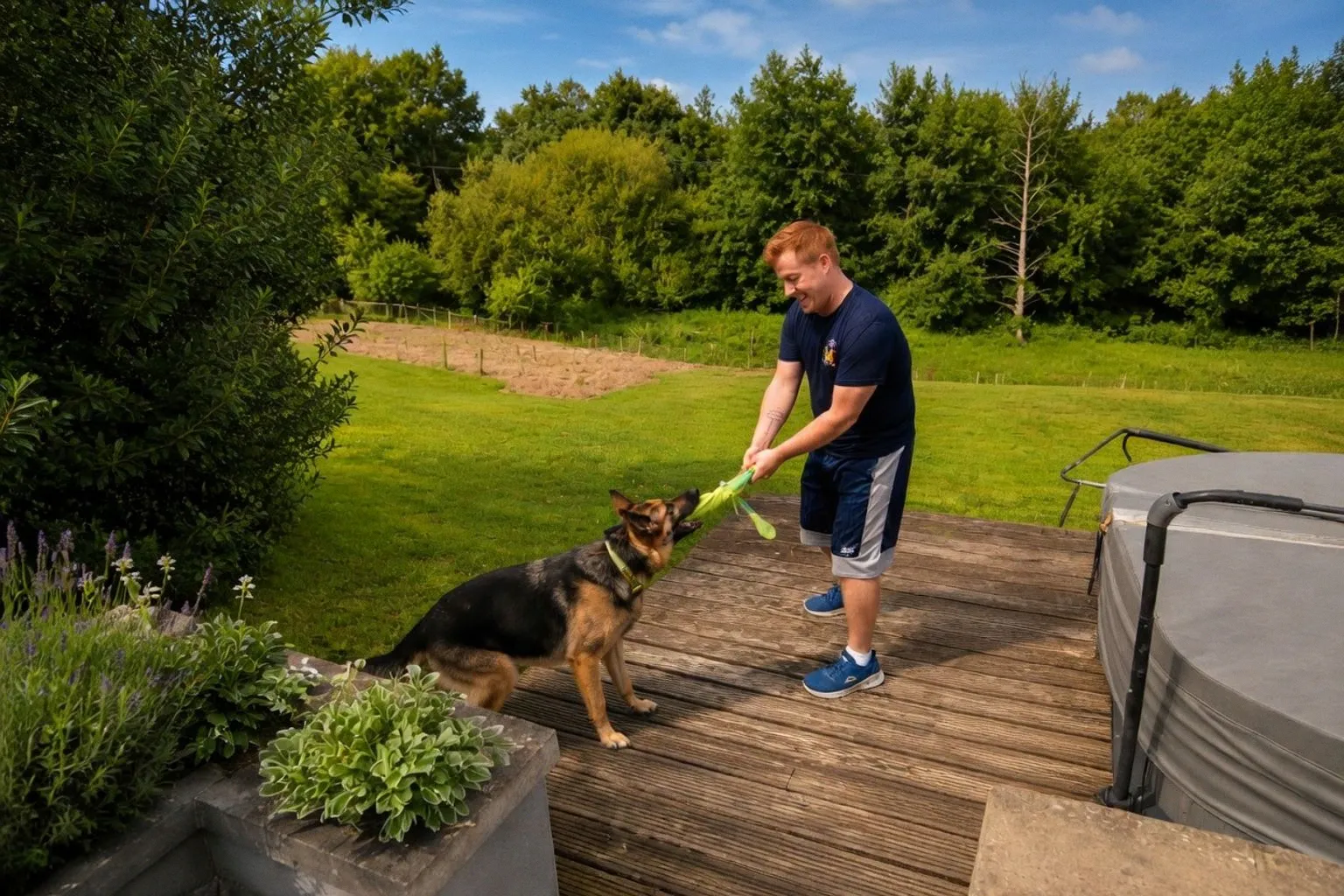
Morgan brings roughly a decade of pet care experience and joins a service covering North Wiltshire, Bath, and the Cotswolds. For owners currently outsourcing or considering outsourcing animal handling, the announcement functions as a trigger to re-examine sitter protocols rather than an endorsement by itself.
What changed
Morgan, 43, relocated from London to the Calne area and was hired by founder Holly Bird. The company provides pet sitting, dog walking, and drop-in visits, with overnight stays available in locations further afield. Bird has framed the new hire as a fit with the business's existing standards.
Verification protocol before booking
Marketing claims from any pet service carry no operational weight without observable, documented practice. The following parameters should be confirmed directly with any sitter, Birddog Catwalk or otherwise.
- Insurance documentation. Public liability cover is baseline. Pet-specific insurance or bonding is preferred. Request a copy or the name of the underwriter.
- Walking structure. Group size per handler, leash configuration, and route profile. Group density directly affects gait monitoring and the handler's ability to detect lameness, fatigue, or heat stress in real time.
- Thermal management policy. Surface temperature check before walk start, water access, shaded rest intervals, and defined cut-off thresholds above specified ambient temperatures.
- Routine fidelity. How feeding schedules, medication timing, and exercise intensity are recorded and reported back. Continuity of routine reduces behavioral disruption.
- Escalation chain. Defined veterinary contact, out-of-hours clinic, and explicit written authorization scope for treatment and cost decisions.
Observable handler signals during an introduction
- Leash mechanics. Hand position, tension handling, and how the handler redirects and absorbs deceleration. Short, controlled contact indicates awareness of load transfer up the leash.
- Movement consistency. Steady cadence, attention to footing, controlled transitions between surfaces. Hesitation or abrupt speed changes indicate poor route scanning.
- Animal greeting. Approach angle, voice modulation, and avoidance of direct frontal contact. These are baseline indicators of handler training depth.
- Logging practice. Ask whether visits are timestamped and whether behavior notes are returned after each session. Records matter more than rapport.
Any professional service, established or newly expanded, warrants the same standard of verification before access to a daily routine is granted.