Top Dog Pet Sitters Receives Living Magazine's 2026 Best Of Award
According to Nonstop Local News, Top Dog Pet Sitters has received Living Magazine’s 2026 Best Of Award.
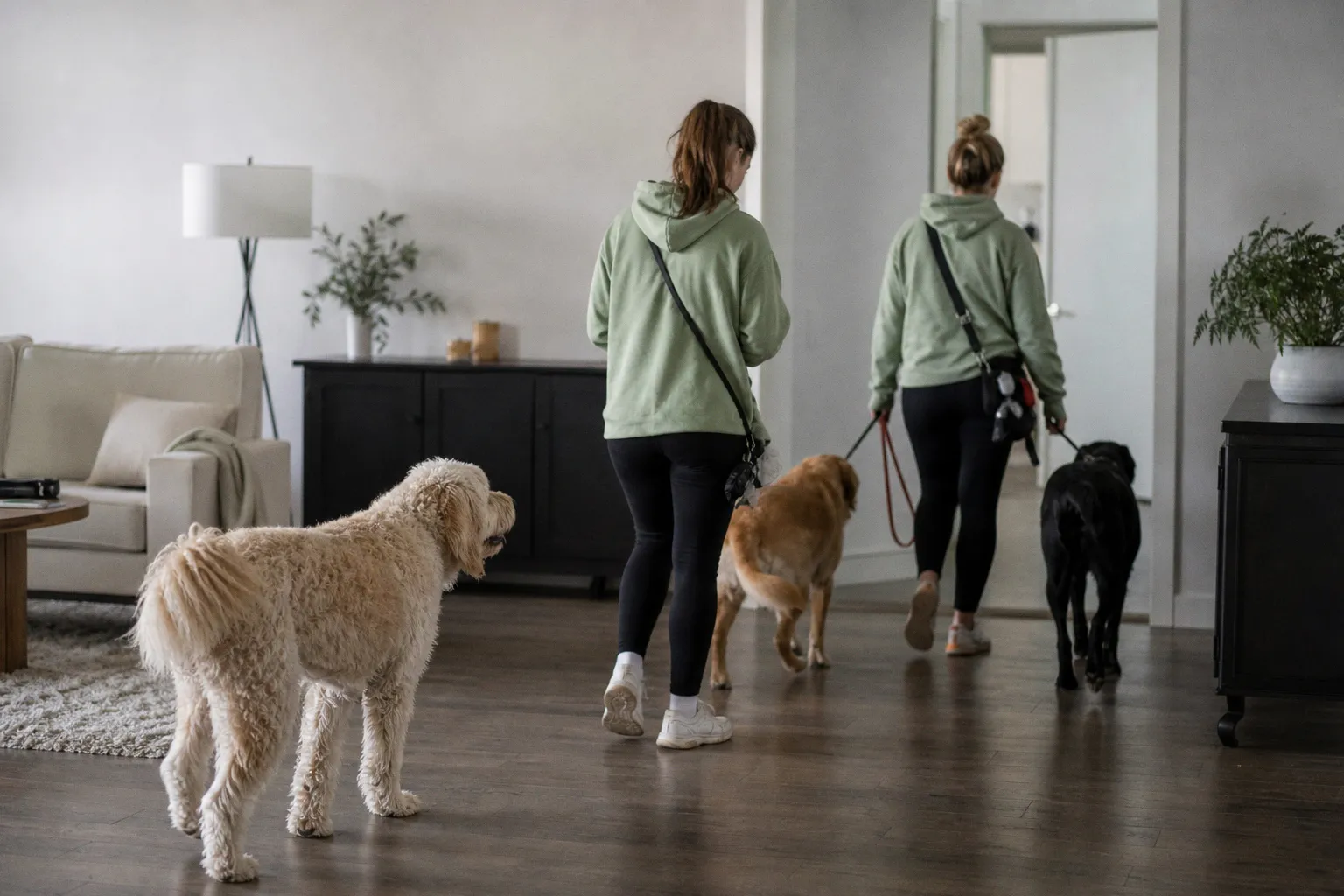
The same headline was also carried by The Grand Junction Daily Sentinel and KTBS 3. For dog-walking and pet-sitting clients, the verified signal is narrow: an award has been announced. It is not a safety audit.
The confirmed scope is limited
The available reports identify the recipient, the award program, and the year: Top Dog Pet Sitters; Living Magazine’s Best Of Award; 2026.
They do not provide the operating details that determine whether a walking or sitting service is appropriate for a specific dog. No source text in the available material identifies:
- The award category.
- The selection criteria.
- The service area.
- Staff qualifications or supervision structure.
- Walking format, route controls, or group size.
- Emergency procedures.
- Insurance, intake process, or veterinary escalation protocol.
- Whether the recognition covers pet sitting, dog walking, or another service line.
That absence matters. “Best Of” is a recognition label, not a usable description of load management, handler control, or risk allocation during a walk.
Award status does not complete provider screening
A client should treat the announcement as an initial discovery point, not a final decision point. The next step is to obtain service-specific answers directly from the provider and compare them against the dog’s actual handling requirements.
Start with the dog’s movement profile. A provider needs enough information to match the walking plan to the animal, rather than fit the animal into a fixed route or group. Ask how they assess gait changes, pulling behavior, recovery after exertion, and tolerance for heat or surface conditions. If the service cannot define how it adjusts pace, duration, or route, there is no documented basis for individualized load distribution.
Then examine control points. A walking service should be able to state who handles the dog, what happens during a handoff, and how the dog is secured before, during, and after the outing. For sitting, establish the same chain: entry, feeding, medication if applicable, exercise, observation, and exit. Vague assurances do not identify a procedure.
Finally, separate recognition from operational proof. An award may be relevant to reputation. It does not by itself establish that a specific walker will manage a reactive dog, a dog with altered gait, or a dog requiring a tightly controlled exercise routine.
Practical verification checklist
Before booking, keep the review narrow and documented.
- Confirm exactly which service is being purchased: walks, visits, overnight sitting, or another arrangement.
- Ask what the published award specifically recognizes.
- Request the provider’s process for matching a handler and schedule to the dog.
- Define the dog’s known movement, behavior, and thermal-regulation constraints in writing.
- Establish the permitted walking duration, pace, route conditions, and handling equipment.
- Confirm who makes the stop-or-return decision if the dog shows discomfort, fatigue, or a change in gait.
- Verify the communication protocol for missed visits, delayed returns, and urgent concerns.
- Record the agreed instructions before the first service begins.
The news item confirms recognition for Top Dog Pet Sitters. The safety decision remains case-specific: handler, dog, route, conditions, and written operating plan.